Want a Calmer Mind? A Neuroscientist Says This Surprisingly Simple Practice May Help
If your mind feels like an internet browser with 37 tabs open one playing music you can’t locate, another frozen, several flashing with urgency you’re not broken. You’re human.

In a world buzzing with notifications, deadlines, and low-grade existential static, mental quiet can feel almost mythical. Not peace forever just a few seconds where your thoughts stop elbowing each other for attention.
For neuroscientist Dr. Sara Lazar, that kind of calm isn’t optional. It’s essential. And the way she finds it may surprise you.
Her go-to practice isn’t incense-heavy, hyper-disciplined, or spiritually theatrical. It’s something far simpler and far more subtle called open awareness meditation.
“I just become aware that I’m aware,” Lazar explains. “No striving. No narrowing focus. Just noticing.”
It sounds almost too minimal to matter. And yet, according to decades of brain research, it can literally reshape how your mind responds to stress.
What Is Open Awareness Meditation, Really?
Meditation is one of those words that feels both everywhere and oddly undefined.
Candles. Cushions. Mantras. Breath-counting. Apps. Silence. Music. Walking barefoot in the grass. Watching your thoughts drift by like clouds.
All of that can be meditation.
As Lazar puts it, “It’s often easier to say what meditation isn’t than what it is.”
What unites most forms is intentional attention choosing where awareness goes, rather than letting it ricochet around unchecked.
Open awareness meditation is different from focus-based practices. There’s no anchor like the breath or a repeated phrase. Instead, awareness widens.
You notice:
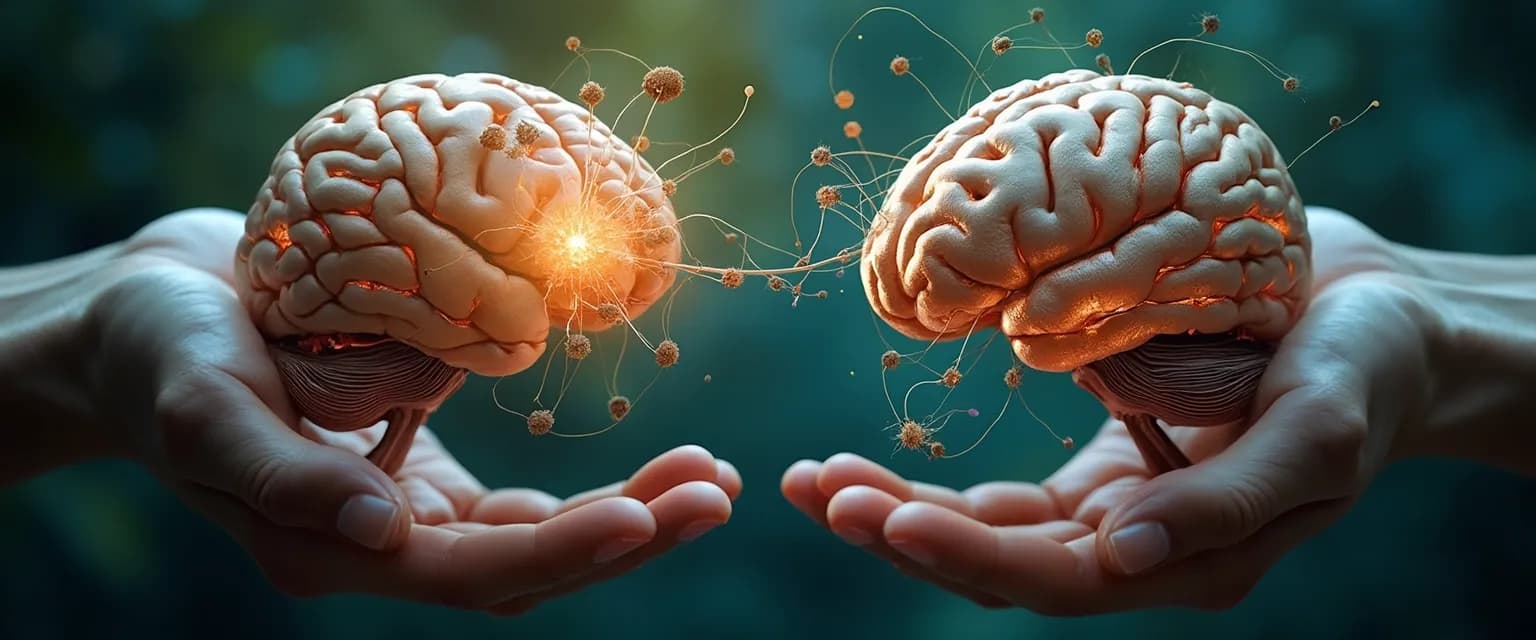
Thoughts appearing and dissolving
Emotions flickering in and out
Sensations humming quietly in the background
You don’t judge. You don’t fix. You don’t wrestle your mind into silence.
You watch.
And that watching curious, neutral, almost tender turns out to be powerful.
What Meditation Does to the Brain (According to Science)
This isn’t poetic speculation. It’s visible on brain scans.
Dr. Lazar’s research, using high-resolution MRI imaging, shows that meditation directly affects the amygdala the brain’s alarm system responsible for fear, anxiety, and stress reactivity.
In one study, chronically stressed participants completed an eight-week Mindfulness-Based Stress Reduction (MBSR) program. The results were striking:
Participants reported significantly lower stress
Brain scans showed reduced density in the amygdala
These changes occurred in just two months
In another landmark study involving people with generalized anxiety disorder, meditation altered how the brain processed threat. Before training, neutral facial expressions triggered exaggerated fear responses. Afterward:
Anxiety symptoms decreased
A new connection formed between the amygdala and the prefrontal cortex, the brain’s emotional regulator
In plain terms: meditation helped the brain pause before panicking.
Not by eliminating stress but by changing the response to it.
Calm Doesn’t Remove Chaos It Changes Your Relationship to It
Meditation won’t fix your leaking dishwasher. It won’t stop Slack from pinging. It won’t silence a screaming toddler or rewrite your to-do list.
And that’s not the point.
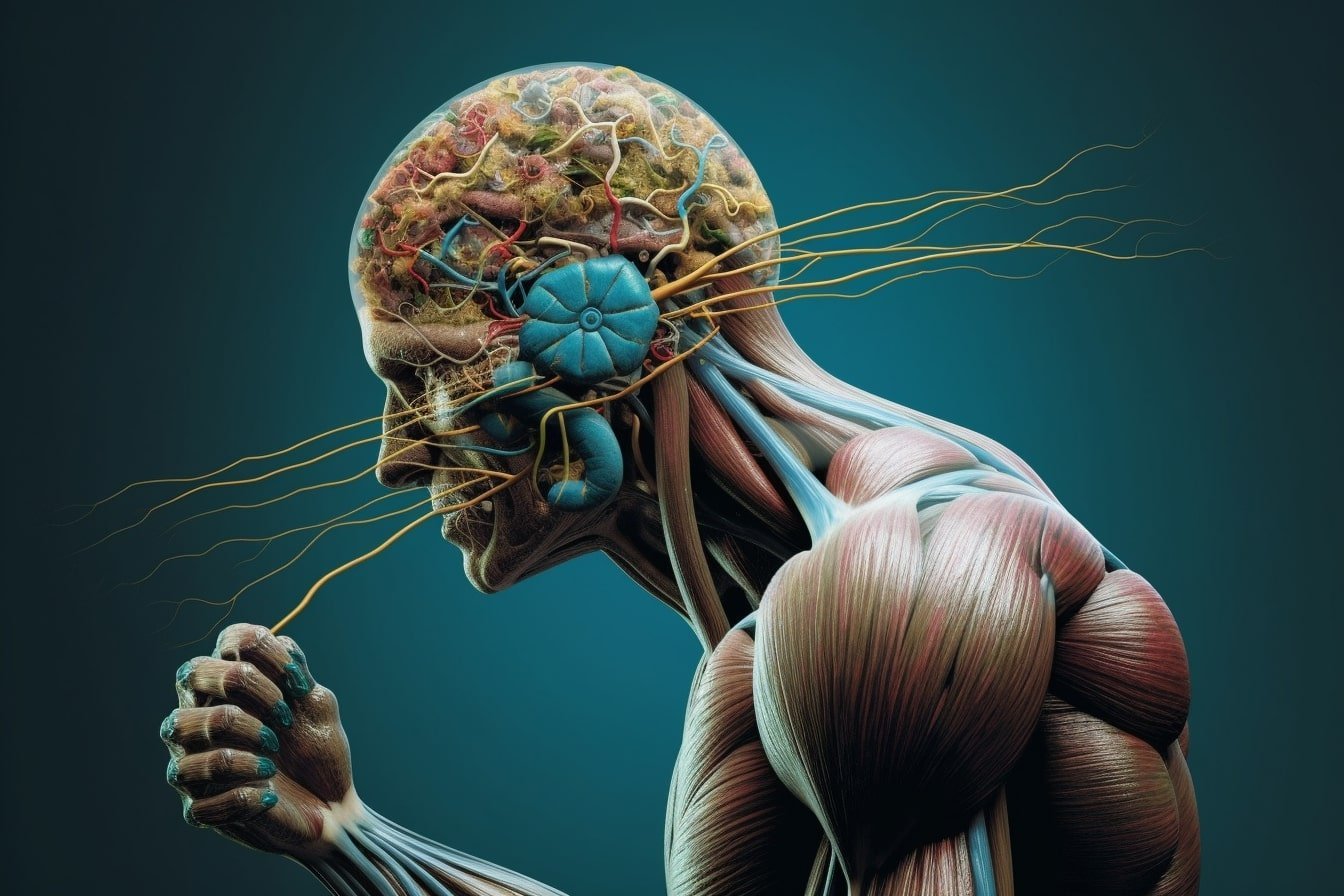
“The stressors don’t disappear,” Lazar says. “But your relationship with them changes.”
Instead of being yanked underwater by every emotional wave, you learn to watch it rise and fall. You create a small but meaningful gap between stimulus and reaction.
Lazar describes it like a bubble popping.
One moment you’re inside the story caught, reactive, tense.
The next, you’re observing it.
That shift changes everything.
How to Start Meditating Without Feeling Like You’re Doing It Wrong
Forget perfection. Forget long sessions. Forget sitting cross-legged in silence for an hour.
Lazar recommends starting with something almost disarmingly simple: The Three-Minute Breathing Space.
It has three gentle steps:
Notice what’s here thoughts, emotions, sensations
Bring attention to the breath, just for a moment
What's Your Reaction?