How Salmonella Really Works and How to Keep It From Ruining Your Life
Salmonella isn’t loud or flashy. It doesn’t announce itself with a warning label or a dramatic entrance. It slips in quietly on a cutting board, in a salad bowl, on your hands and then, hours later, your stomach flips like it’s realized it’s been betrayed.

Most people think of salmonella as just food poisoning. An unpleasant weekend, a few miserable bathroom trips, and then life goes on. But that tidy version misses the point. Salmonella is more ambitious than that. It’s a shape-shifter in the microbial world capable of staying small and mean, or going rogue and causing damage far beyond your gut.
So… How Common Is Salmonella, Really?
More common than anyone wants to admit.
Salmonella remains one of the leading causes of food-poisoning-related hospitalizations and deaths, which makes it far more than a “stomach bug.” It’s a public-health heavyweight that shows up year after year, often hiding in plain sight.
Dr. Elizabeth Hohmann, an infectious disease specialist at Massachusetts General Hospital, has seen salmonella behave in ways that feel almost uncanny. One of her patients arrived with an infected abdominal aortic aneurysm a dangerous swelling of the body’s largest artery. The unexpected culprit? Salmonella.
“It’s an interesting organism,” she says. “And it can be a little frightening.”
That’s not hyperbole. It’s biology.
Where Salmonella Actually Comes From (Spoiler: It’s Not Just Chicken)
Yes, undercooked chicken is the classic villain. But salmonella has a far broader social circle than most people realize.
It has been found in:
Raw or breaded chicken products (including nuggets and chicken Kiev)
Eggs and egg-based dishes
Ground beef
Nut butters
Unpasteurized milk and dairy
Flour (yes raw flour)
Uncooked cookie dough (tragically)
Cantaloupe and other fresh fruits
Organic basil and leafy greens
And food isn’t the whole story.
Salmonella has also been linked to dry dog food, pet turtles, frogs, backyard chickens, and contaminated surfaces. You don’t even need to eat it to get sick. Touching something contaminated and then touching your mouth can be enough.
“It lives in stool, animal waste, and the environment,” Dr. Hohmann explains. “Think soil, machinery, kitchen sponges, cutting boards. It thrives in damp, dirty places.”
In other words: it’s patient, persistent, and not picky.
What a Salmonella Infection Feels Like
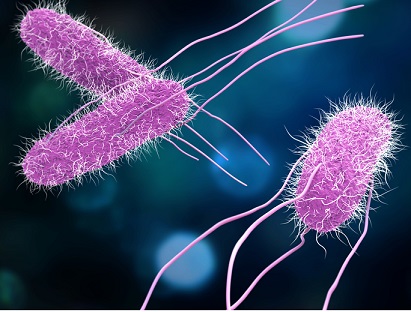
For most people, salmonella shows up as gastroenteritis your digestive system staging a loud, messy protest.
Common symptoms include:
Abdominal cramping
Diarrhea (sometimes bloody)
Nausea and vomiting
Fever
In mild cases, it’s a rough few days and then recovery. A college student eats a questionable burrito, spends the weekend miserable, and moves on.
But not everyone gets off that easily.
Call a doctor if you experience:
Diarrhea lasting longer than three days
Fever over 102°F (39°C)
Blood in your stool
Vomiting that prevents you from keeping fluids down
These are signs the infection may be tipping into dangerous territory.
Treatment: Simple, Until It Isn’t
For most people, salmonellosis is treated with rest, hydration, and patience. Think electrolyte drinks, soups, and gentle foods. No heroics required.
Antibiotics are reserved for severe cases and even then, things get complicated.
In some situations, antibiotics can actually cause people to carry and spread salmonella longer, even after symptoms improve.
“It’s a conundrum,” says Dr. Hohmann.
Feeling better doesn’t always mean being harmless.
Who Faces the Greatest Risk?
Salmonella doesn’t discriminate but it does hit harder in certain bodies.
Higher-risk groups include:
Adults over 65
Children under 5
Pregnant individuals
In rare but serious cases, salmonella can escape the digestive tract entirely, entering the bloodstream and infecting joints, bones, the brain, the urinary system, or even blood vessels. For people with existing heart or vascular disease, the consequences can be devastating.
How to Outsmart This Slippery Germ
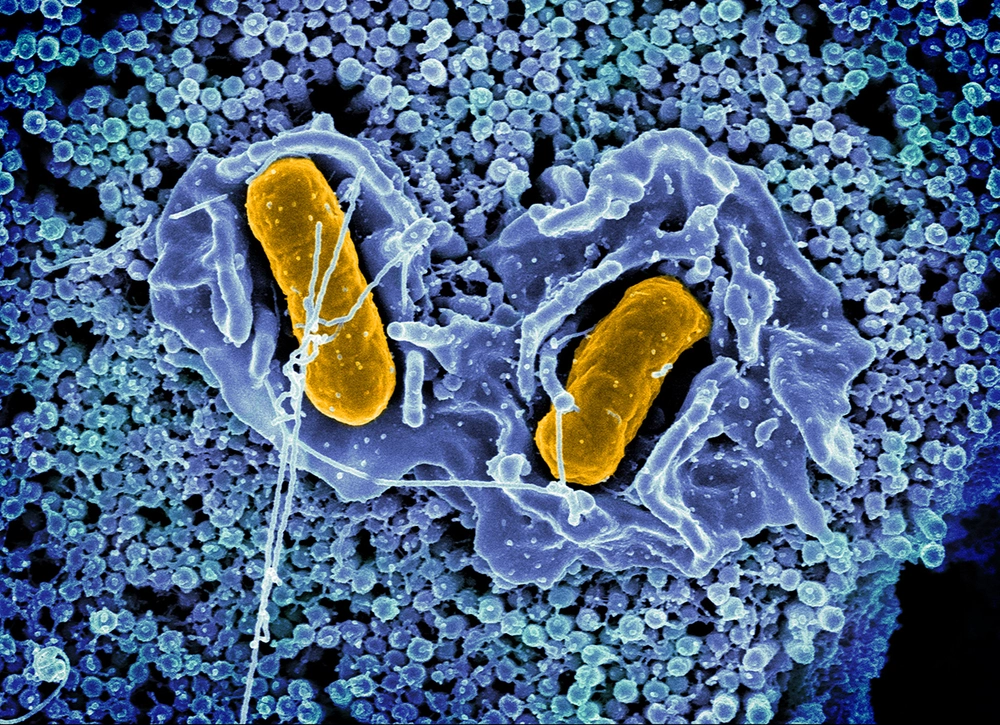
Salmonella may be clever, but it’s not invincible. Prevention is less about paranoia and more about consistent, boring-but-effective habits.
Clean
Wash hands thoroughly before and after cooking, after using the bathroom, and after handling animals
Scrub cutting boards, knives, and counters especially after raw meat or eggs
Use hot water, soap, or a dishwasher whenever possible
Chill
Don’t let cooked food sit out too long
Foods like pasta salad and rotisserie chicken are bacterial playgrounds if left warm
Cook
Use a meat thermometer
Poultry should reach 165°F (74°C)
Ground beef should reach 160°F (71°C)
Don’t rely on color alone some food lies convincingly
The Bottom Line
Salmonella doesn’t care if you eat organic, shop local, or wash your produce with monk-like devotion. It doesn’t need an invitation. It just needs an opening.
But with mindful kitchen habits and solid hygiene, you can dramatically lower your risk. No panic required just awareness.
Because food should surprise you with flavor.
Not with food poisoning.
What's Your Reaction?