Some Surprisingly Good Health News You Might Have Missed
Because not every headline has to make your heart sink.

In the endless scroll of gloomy health updates, pandemics, variants, burnout it’s easy to forget that, quietly, good things are happening too. Beyond the chaos of the news cycle, there’s a quieter, steadier story unfolding one of progress, prevention, and lives lived a little longer and a little better.
According to new data from the Centers for Disease Control and Prevention (CDC), six of the top ten causes of death in the United States which together make up nearly three-quarters of all deaths have been declining. Yes, declining. That’s a massive public health victory, especially in a country juggling an aging population and the heavy hand of chronic illness.
Let’s take a closer (and more hopeful) look.
1. Heart Disease & Stroke: Two Heavyweights Losing Steam
Heart disease remains the country’s leading killer, with stroke close behind but both are on a downward trend. Between 2000 and 2014, deaths from cardiovascular disease fell by an astounding 36%, and stroke-related deaths, after years of plateauing, began to dip again in 2018.
That’s not luck. It’s the ripple effect of better cholesterol control, improved hypertension treatment, and the growing public awareness that movement, even modest daily movement, can save lives.
2. Cancer: Decades of Effort Paying Off
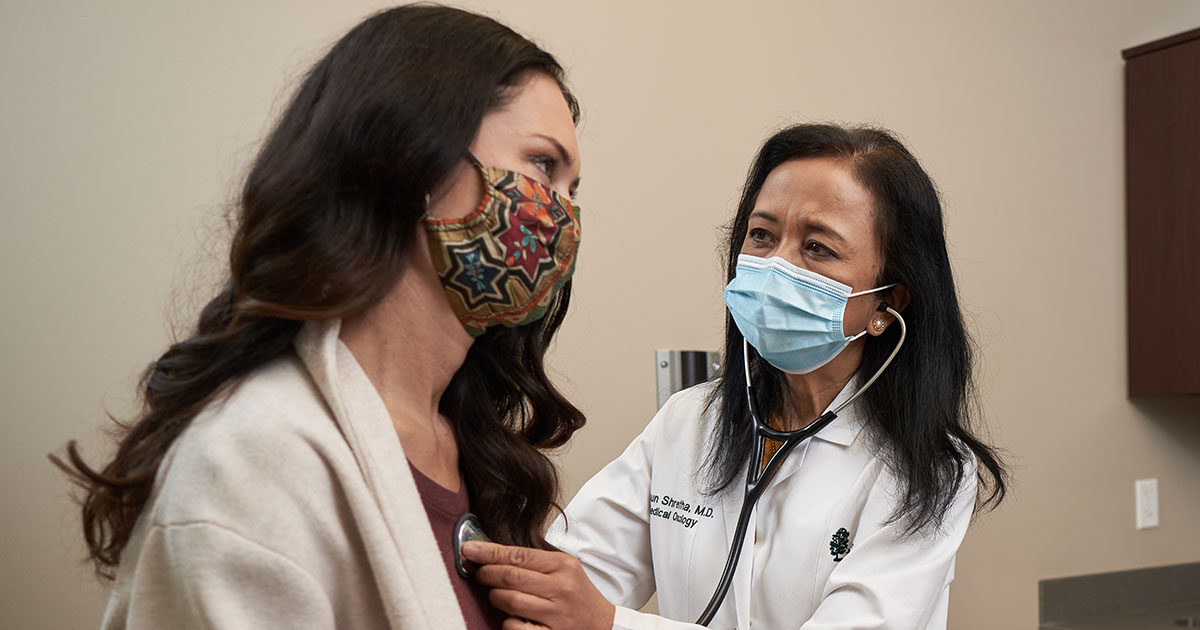
The cancer death rate fell by 2% from 2017 to 2018 and over the last 25 years, it’s down a stunning 29%. That’s millions of lives extended thanks to earlier detection, smarter treatments, and more personalized care. While cancer remains a formidable foe, this decline is proof that research, funding, and relentless medical innovation truly make a difference.
3. Accidents & Chronic Respiratory Disease: Breathing a Bit Easier
Deaths from unintentional injuries (like drug overdoses and accidents) and chronic lower respiratory diseases (like emphysema and asthma) both dropped by nearly 3% between 2017 and 2018.
It’s a small but significant reprieve especially in a country where opioid addiction and air pollution have long cast dark shadows over public health.
4. Alzheimer’s: A Surprising Shift
This one might surprise you. While more Americans are being diagnosed with Alzheimer’s disease, deaths from it actually fell by 1.6%. It’s not yet a revolution but it may hint at earlier detection, improved care environments, and possibly even lifestyle shifts that protect brain health longer.
The Cholesterol Story: A National Makeover
There’s a subtle but powerful success story hiding in the data: our cholesterol levels are improving.
In 1999, 18% of Americans had high total cholesterol. By 2018, that number had dropped to 10.5%. Even low HDL (“good”) cholesterol has decreased from 22% to 16%.
Why does that matter? Because cholesterol is the lifeblood (or the block) of cardiovascular health. Lower numbers here echo the ongoing decline in heart disease and stroke deaths. It’s a tangible sign that public education, statins, and diet changes are doing their quiet work.
Fewer Smokers, Fewer Future Deaths
If you’ve quit smoking (or never started), you’ve joined one of the biggest public health success stories of our time. In 2017, only 14% of adults smoked cigarettes, down from nearly 21% in 2006.
That’s millions fewer cases of lung cancer, chronic lung disease, and heart disease in the pipeline.
Of course, the rise of vaping adds a new wrinkle especially among teens and young adults who’ve never smoked before. While we don’t yet know the full long-term effects, it’s a reminder that public health victories require constant vigilance.
Life Expectancy: A Gentle, Upward Nudge
After several years of heartbreaking decline much of it fueled by suicide and drug overdoses U.S. life expectancy finally ticked up in 2018, from 78.6 to 78.7 years.
A tenth of a year may not sound like much, but it represents something more profound: a reversal of direction. A sign of resilience. Proof that progress, however fragile, is still possible.
What's Your Reaction?