How to identify tick-borne illness early | Tick disease awareness 2025
Ticks are more than summer nuisances hey can transmit serious bacteria and viruses. Discover why tick-borne diseases are increasing and how to protect yourself
But the quiet world of ticks is changing and faster than many people realize.
What’s Evolving in Tick Territory?
Scientists and public health officials are noticing three major shifts:
Ticks are spreading into new regions, creeping into areas where they weren’t commonly found a decade ago.
Tick-borne illnesses are increasing, not only in raw numbers but in geographic diversity.
New disease-causing organisms are being discovered, revealing how complex and understudied tick ecosystems really are.
Some of this rise may come from better testing and more diligent reporting—many of these infections are legally “reportable,” meaning doctors must alert public health departments. But researchers also believe that a higher percentage of ticks now carry pathogens compared to years past.
In other words: The landscape of tickborne disease is expanding, and the ticks themselves are becoming more dangerous.
Ticks as Disease Vectors: Tiny Creatures With Outsized Power
Not all ticks carry disease, but the ones that do tend to transmit very specific infections. The deer tick, for example, is the primary carrier of Borrelia burgdorferi, the bacterium responsible for Lyme disease.
Like all creatures, ticks have favorite habitats wooded paths, tall grass, leaf litter, and the edges of forests. The CDC offers detailed maps showing where different tick species thrive, though interestingly, disease distribution doesn’t always match tick distribution. Just because a tick is common in your region doesn’t mean it’s equally likely to be infected.
If you’re unsure how risky your area is, your local public health department can offer region-specific insight.
Lyme Disease: Still the Heavyweight of Tick-Borne Infections
Lyme remains the most widely recognized tick-borne disease and for good reason.
38,000 confirmed and probable cases were reported in the U.S. in 2015
But the CDC estimates the real number is closer to 300,000 cases per year
First identified in the 1970s, Lyme disease has evolved in both scientific understanding and geographic range. Another species, Borrelia mayonii, was even discovered in 2013 as a second cause of Lyme in the U.S.
Transmission requires a deer tick to remain attached for 24–48 hours, making prompt removal a powerful prevention strategy.
Symptoms and Diagnosis: What Lyme Really Looks Like

About 70–80% of people infected with Lyme will develop the hallmark rash, erythema migrans (EM), between 3 and 30 days after the bite. The rash often appears in warm, hidden body spaces armpits, groin, behind knees, along waistbands and slowly expands, sometimes forming the familiar “bull’s-eye” shape.
But here’s the twist:
Most EM rashes don’t look like the perfect bull’s-eye you see on Google Images.
Early Lyme is treated based on symptoms and exposure not on blood tests because antibody testing usually can’t confirm the infection that soon.
If untreated, the infection can progress, causing:
Additional rashes
Joint pain
Swollen lymph nodes
For more advanced Lyme, doctors use a two-step testing process: an ELISA test followed by a confirmatory Western blot.
Antibiotics are the standard treatment and prevent serious complications including heart issues, arthritis, and neurological problems.
When Infections Don’t Travel Alone: The Rise of Co-Infections
As if Lyme disease weren’t frustrating enough, deer ticks can deliver multiple pathogens at once. Between 2% and 10% of Lyme patients also have Anaplasma or Babesia.
You might consider co-infection if you have typical Lyme symptoms plus:
High fever
Severe headaches
Unusual body aches
Abnormal lab results
The tick world is also revealing new threats more quickly than ever. One of the most unsettling is the deer tick virus (Powassan virus, lineage II), first recognized in 1997. It can cause anything from no symptoms at all to severe encephalitis that leads to lasting neurological damage. About 10% of severe cases are fatal, and half of survivors have long-term complications.
It’s still extremely rarebut rising. Even more concerning, this virus may transmit much faster than Lymepossibly within 15 minutes of tick attachment.
How to Protect Yourself: Practical Prevention That Works
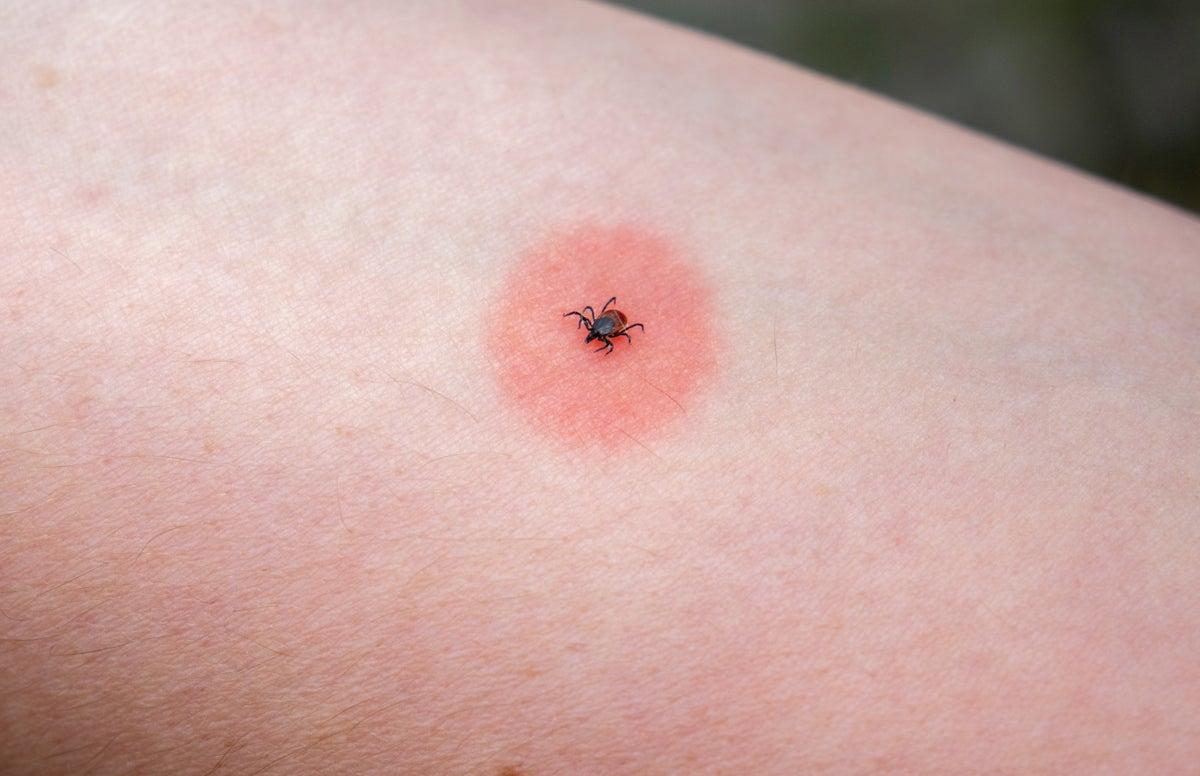
As tick habitats expand and new pathogens emerge, prevention remains the strongest tool we have.
Here’s how to dramatically reduce your risk when hiking, gardening, or spending time in tick-friendly environments:
Stick to the center of trails
Use repellents with 20–30% DEET or permethrin on clothing
Shower as soon as possible after outdoor activity
Perform full-body tick checks (kids, too!)
Remove ticks quickly and safely
Inspect clothing, backpacks, and pets for stragglers
Use a dryer on high heat to kill ticks on clothing
10 minutes for dry clothes
60 minutes for freshly washed clothing
The Bottom Line
Ticks aren’t just a summer nuisance they’re part of an evolving ecological story, one that touches climate, wildlife, public health, and our own backyards. As their range expands and the pathogens they carry grow more diverse, awareness becomes a crucial form of protection.
Doctors, scientists, and public health agencies continue working to improve detection and treatment, but the most effective defense starts with everyday precautions.
A little vigilance today can prevent a much bigger health issue tomorrow.
What's Your Reaction?