The Truth About Vitamins and Supplements: What Doctors Want You To Know..
The walls of pharmacies are filled with promises. Energy, immunity, longevity, sharp focus and sometimes better sleep are all being pumped up through bottles. All at once... The idea that one capsule could quietly eliminate a diet consisting of drive-thru dinners and forgotten greens is unsurprizing.
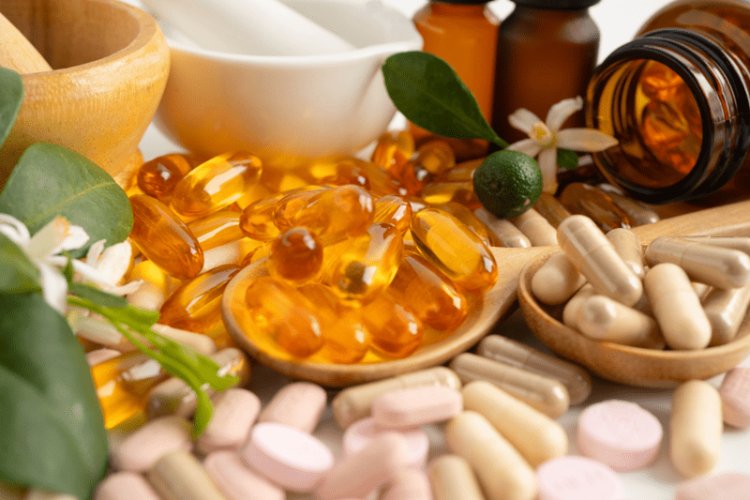
Even though there are many different explanations, doctors and nutrition scientists persist in stating the same unsettling fact: your body still has a preference for food.
A recent medical recommendation on vitamins and minerals didn't deliver a groundbreaking outcome, but it confirmed what experts have been saying for years. The most dependable source of health is a balanced, colorful diet. Nutrients from fruits, vegetables, whole grains, legumes, and lean proteins are packaged in their natural form, containing fiber along with enzymes and numerous plant compounds that supplements cannot replace.
Food doesn't just feed you.
It communicates with your body.
The fact that supplements are not subject to regulation is a common misconception among people.
Here's where things get complicated.
Dietary supplements are not subject to strict regulations like prescription drugs. The label may not accurately reflect the quantity of a particular ingredient in certain products. Supplements have been found to contain substances that had no purpose inside the human body in rare but documented cases. However,
It is not true that all supplements are hazardous.'
Blind faith is a risky decision.
So… Do Supplements Help Anyone?
Yes. The conversation needs to be more nuanced in this particular area.
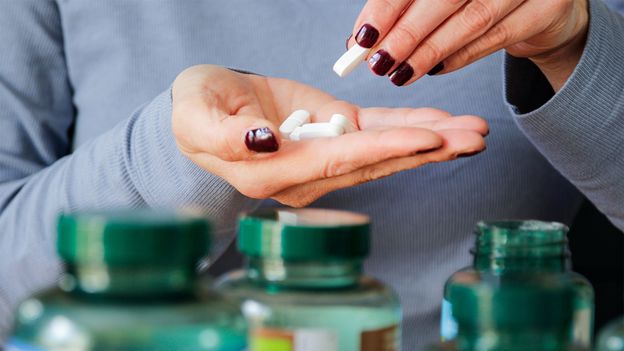
Supplements are sometimes necessary but not always useful. Some people are unable to meet their nutritional needs solely through food consumption, especially during certain life stages or medical conditions.
Pregnancy and Prenatal Health.
During pregnancy, it is common for doctors to prescribe supplements, including:
Both pre and post pregnancy folic acid consumption indicates low levels of the causative agent.
The requirement for iron and calcium rises as the need for these elements increases.
Preventing serious neural tube defects requires the use of folic acid. The wellness hype isn't the cause, but rather the established medical advice..
Older Adults.
The process of nutrient absorption becomes less effective as we age, even with optimal nutrition.
Many older people could benefit from:.
Vitamin B12.
Vitamin D.
Calcium.
For those taking acid-reducing drugs, iron is essential.
High levels of B12 can lead to memory problems and balance issues that are frequently disregarded as a result of age-related factors.
Chronic Health Conditions.
Certain ailments can greatly increase nutrient requirements or hinder absorption. People with conditions such as:
Inflammatory bowel disease.
Osteoporosis.
A history of weight-loss surgery.
It is possible to supplement with fat-soluble vitamins (A, D, E and K) or minerals (zinc and magnesium) through targeted supplements....
The supplements offered are not shortcuts, but rather assistance.
Use curiosity while avoiding lead in herbal remedies.
Often herbal supplements lie in the middle ground between tradition and science.
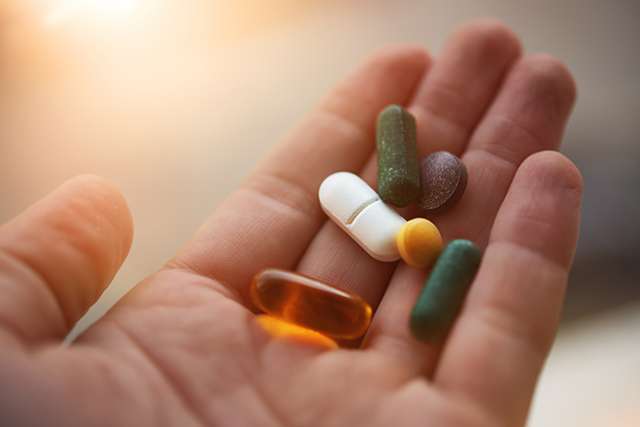
Some, like:
The consumption of turmeric could potentially reduce inflammation by promoting healthy tissue.
Blood sugar control could be aided by cinnamon consumption.
Experts advise consuming them in their entirety, rather than as high-dose capsules, despite their potential benefits.
When cinnamon is added to oatmeal, it has a distinct effect compared to consuming fewer pills.
More isn't always better. Sometimes, it's just more.
Not all supplements are created equal.
Nutrients are sometimes given more weight than quality when taking supplements. Why?
Check out independently tested products from reputable organizations, such as: 1.
USP (United States Pharmacopeia)
NSF International.
Seals are used to ensure that the product inside bottles is labeled correctly and free from harmful substances.
And those gummy vitamins?
Despite lacking proper certification, they are frequently comparable to candy rather than medicine packed with sugary components and can result in cavities. It is common for pregnant women to be discouraged from using them.
Don’t ignore the red flags.
Be cautious if:
The sale of supplements by a doctor or clinic is fraught with conflicts of interest.
The products are advertised as miracle cures or immune boosters that can boost immunity.
The claims appear too much like a theatrical performance to be authentic.
It's rare to come across good health advice as flashy.
The Truth is, Your Plate Is Still the Main Event.'".
Those who desire to feel stronger, sleep better and have greater clarity in their thoughts or age with greater resilience still have these fundamental priorities:
Bright, colorful meals.
You can imagine the types of foods that your grandmother would recognize as whole foods.
Only when they address a genuine medical need or shortage are supplements given.
Safe and transparent brands that have been tested.
Although supplements can be beneficial, they are not the primary source of nutrition.
Even your daily dietary intake does the heavy lifting.?
And they always have.
What's Your Reaction?