What on Earth Should You Eat If You Have Inflammatory Bowel Disease?
If you’ve been diagnosed with inflammatory bowel disease (IBD), chances are you’ve stared down a plate of food wondering if it’s friend or foe. When your digestive system feels like it’s waging a private rebellion, eating becomes more than just nourishment; it's a daily act of strategy.

IBD, which includes Crohn’s disease and ulcerative colitis (UC), is a complicated condition influenced by both your genes and your environment. And yes, what you eat falls squarely into that environmental category. But here’s the catch: while diet clearly interacts with inflammation, science still hasn’t handed us a neat list of “eat this, avoid that.”
Still, there’s good news brewing and it comes in the form of new, research-based dietary guidance.
New IBD Dietary Guidelines: A Roadmap, Not a Rulebook
Recently, the International Organization for the Study of Inflammatory Bowel Diseases (IOIBD) gathered global experts to sift through the best available evidence on diet and IBD. Their mission? To help people reduce inflammation, manage symptoms, and potentially ward off flare-ups without drowning in conflicting advice.
Rather than prescribing rigid meal plans, these guidelines focus on the patterns and ingredients that seem to matter most. Think of them less like commandments and more like a GPS for your gut flexible, adjustable, and personal.
Interestingly, there were a few areas where the evidence just wasn’t strong enough yet. That includes foods like refined sugars, gluten, poultry, pasteurized dairy, and alcohol. The takeaway isn’t that these foods are inherently “good” or “bad” , it's that science hasn’t reached a clear verdict.
So if your favorite glass of wine or slice of sourdough makes you feel fine? Your body’s feedback might be the best data point you have.
Why Food Matters So Much for Gut Health
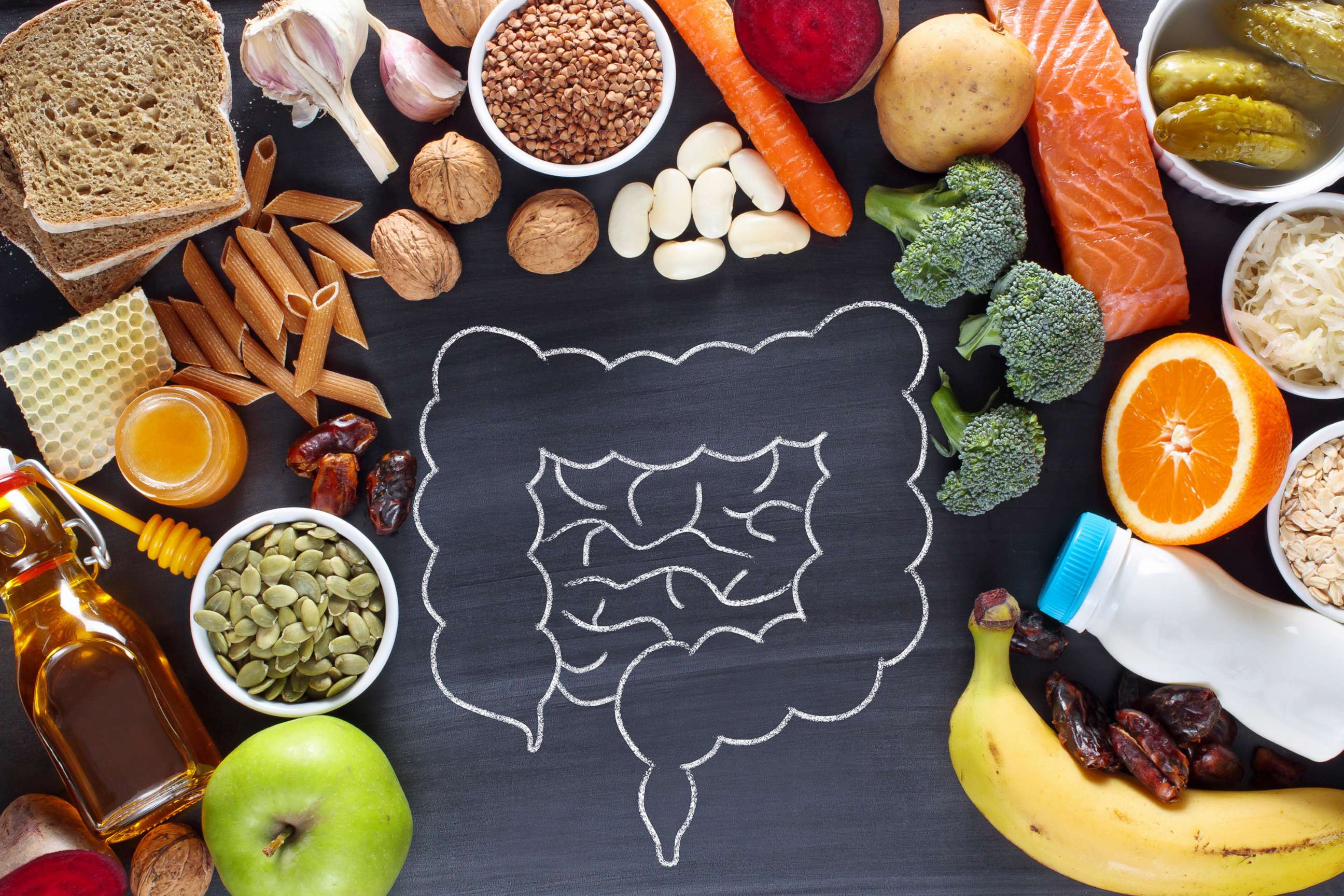
Food doesn’t just pass through your system, it talks to it. Every bite interacts with the complex ecosystem of your gut microbiome. For instance, fruits and vegetables are loaded with fiber, which your gut bacteria ferment into short-chain fatty acids (SCFAs) compounds that literally feed the cells lining your colon.
It’s a beautiful cycle: the more you nourish your microbes, the more they nourish you.
But here’s the fine print: not all fiber is created equal, and not every gut tolerates it the same way.
If you have Crohn’s disease with a stricture (a narrowed section of your intestine), insoluble fiber, the rough, raw kind found in skins, seeds, and certain grains can worsen symptoms or even trigger blockages.
That’s why “eat more fiber” isn’t blanket advice. It’s about finding your fiber to balance the sweet spot between nourishment and comfort.
What About Trendy IBD Diets?
If you’ve ever fallen down a late-night Google rabbit hole, you’ve probably stumbled across diets claiming to “heal” IBD. Among them:
The Mediterranean Diet
The Specific Carbohydrate Diet (SCD)
The Crohn’s Disease Exclusion Diet
The Autoimmune Protocol Diet (AIP)
The Low-FODMAP Diet
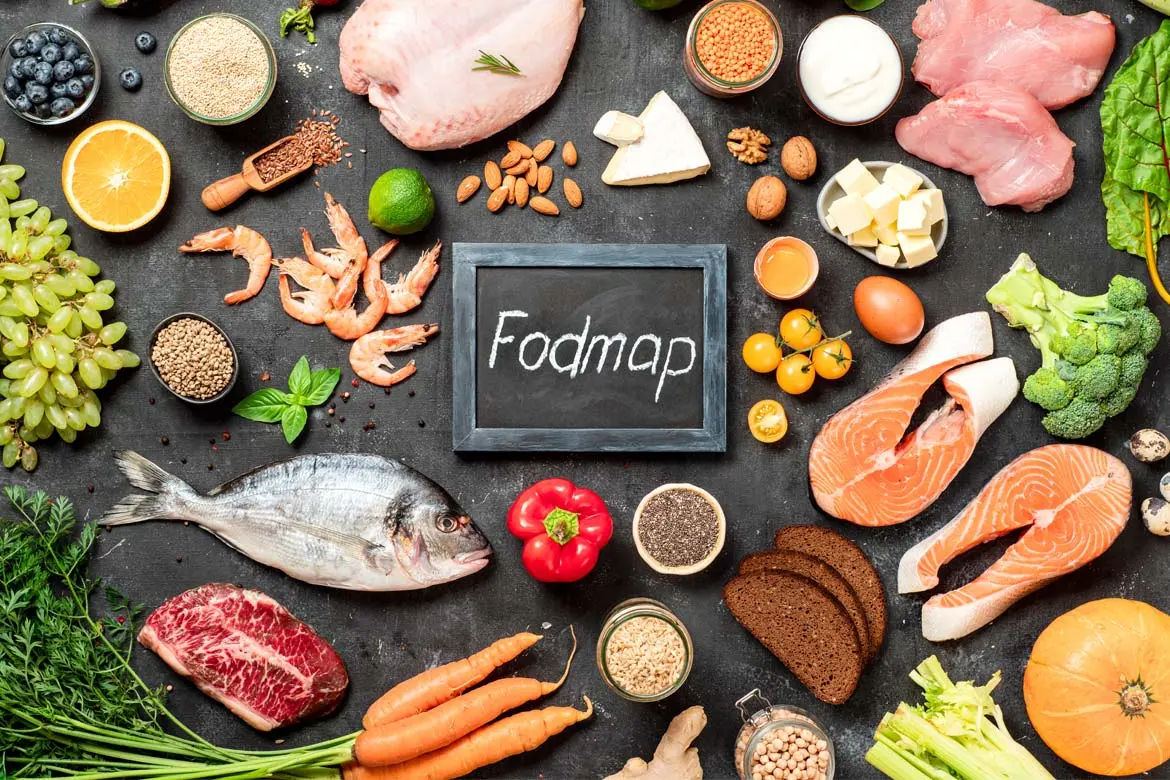
The IOIBD reviewed these popular plans but found the research too limited for formal endorsement. That doesn’t mean they’re useless, just that they’re not universally effective.
Many people with IBD still experiment (carefully) with these diets to see what eases their symptoms. For some, a Mediterranean-style approach rich in olive oil, fish, and veggies feels restorative. For others, strict elimination diets are too stressful to maintain long-term.
The Bottom Line: Start With a Conversation, Not a Trend
If you’re living with IBD, your best first step isn’t overhauling your pantry, it's talking to your doctor or a registered dietitian who understands IBD. Together, you can:
Assess for malnutrition or deficiencies (common with chronic inflammation)
Identify trigger foods and safe experiments
Tailor your meals so you’re nourished not restricted
Build a plan that supports both your gut and your sanity
Because here’s the truth: there’s no universal “IBD diet.” What soothes one person’s gut may inflame another’s. The new guidelines are a compass not a cage.
Instead of chasing the latest food trend on Instagram, tune into your own body’s signals. Small, sustainable changes like gently adding tolerated fibers, choosing anti-inflammatory fats, or cutting back on ultra-processed foods can make a surprisingly big difference.
When you find the foods that work with your body instead of against it, eating becomes less about fear and more about freedom.
What's Your Reaction?