how to Choose The Right Physician
We often trust the same doctor for decades but should we? A personal story about loyalty, doubt, and knowing when to question medical advice

But life doesn’t freeze just because we want it to. Marriage, two kids, and a move north of Boston slowly squeezed out parts of my old routine: hockey nights, softball season, spontaneous movie trips. None of that hurt much. What stung was the unglamorous breakup with my long-time doctor. The one-hour drive into the city without traffic, which is basically a fairy tale simply wasn’t realistic anymore.
Things fell apart for good when my son picked up hand, foot, and mouth disease in preschool, and then generously shared it with me. The walk-in clinic visit made one thing painfully clear: emergency care wasn’t a “someday” issue anymore. It was a now issue.
So, I did what responsible adults do I found a new primary care physician.
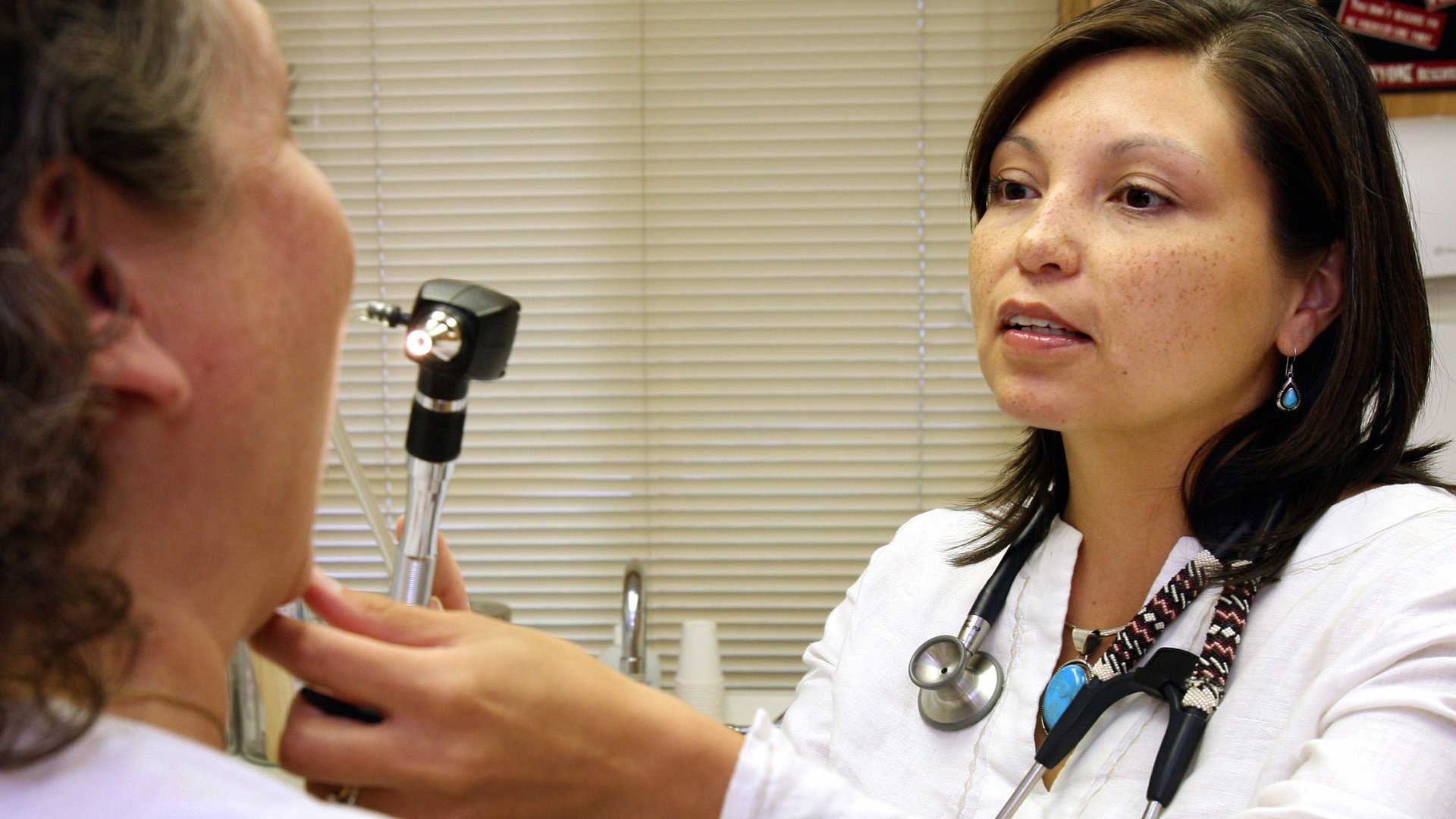
He was pleasant, thorough, and seemed competent. During that first appointment, he suggested a low-dose statin to address elevated cholesterol. Reasonable enough on paper… except I was 47, active, healthy, and had never had a cholesterol problem in my life. I didn’t want to commit to a daily medication unless absolutely necessary.
He told me I could retest in a few months, so I did. My numbers dropped back down. I was relieved but also unsettled. Had I trusted his first instinct, I’d probably be taking that pill every morning to this day. When I asked him a year later why he recommended it, his answer felt vague, like he had slotted me into a statistical bucket of “men your age” instead of treating me as an individual.
And then there was the uncomfortable thought I couldn’t quite shake: he wasn’t exactly the picture of health himself. I wasn’t looking for a fitness influencer in a lab coat, but something about taking long-term health advice from someone who seemed to struggle with his own felt… off.
So I asked Charles Morris, M.D., associate chief medical officer at Brigham and Women’s Hospital, whether those instincts were fair.
His answer?
A doctor’s physical shape has zero correlation with their medical skill.
Of course and deep down, I knew that. The concern wasn’t his waistline. It was if he actually noticed me. Dr. Morris says that instinct is right. Patients shouldn’t feel like faceless members of a demographic category. They should feel understood as individuals. Which brings up bigger questions:
What should you expect from a doctor today?
What’s reasonable?
And how do you know when you’ve found one worth keeping long-term?
Dr. Morris gave a thoughtful roadmap.
1.A Real, Detailed Look at Your Family History

Most doctors run through your family medical background like it’s a quick checklist. But a good physician goes deeper. They should ask:
Are your parents still alive?
If not, how old were they when they passed?
What conditions run through your parents’ and siblings’ lives?
This isn’t trivia it’s a treasure map. Your genetics shape your future risks, and a doctor who pays attention might recommend earlier screenings or more targeted monitoring long before problems surface.
2. Ask About the Doctor’s Team Not Just the Doctor
We all dream of direct, anytime access to our primary care doctor. But reality says otherwise. Physician schedules are bursting at the seams.
You should absolutely ask:
Who follows up on test results?
Who calls back when you have a question?
What’s the usual response time for non-urgent issues?
Most offices use a triage system, and you should reasonably expect a call within 24 hours for typical concerns.
3. Expect Questions About Your Free Time
This one may surprise you.
A thoughtful doctor will ask something like:
“If you suddenly had two free hours today, how would you spend them?”
Why? Because your answer shines a light on your habits, your coping mechanisms, and how you unwind. 1 .If you’d grab a beer over a hike, or sleep instead of socialize, that deepens the doctor’s understanding of your lifestyle and your risks.
It’s not judgment. It’s insight.
4. A Gentle Screening of Your Mental Health
Mental health is stitched tightly into physical health. Many doctors start with two simple questions:
Do you often feel little interest in doing things?
Have you been feeling down or hopeless recently?
They’re not trying to diagnose your soul just checking for signs of depression that may be quietly shaping the rest of your health.
5. A Shared Agenda at Every Appointment
An excellent doctor doesn’t launch straight into their checklist. They start with a collaboration:
“I have a few things I’d like to cover. I know you do too. Tell me your list and let’s decide what’s most important today.”
It signals partnership not hierarchy and ensures your voice doesn’t disappear into the clinical machinery.
6. You Can Push Back. Really.
Medicine shouldn’t feel like a monologue.
If something feels wrong, rushed, or oversimplified, ask:
“How am I different from the average patient in that category?”
“Is there anything I could change that would alter your recommendation?”
Your doctor should welcome questions, not bristle at them. If you feel nervous or dismissed, you’re likely in the wrong place.
So… Should You Ever Not Listen to Your Doctor?
Not exactly.
However, you should listen purposefully, with clarity, curiosity, and the self-assurance to speak up when something seems out of alignment.
Physicians contribute their experience.
You contribute your personal experience.
Good healthcare happens where the two meet in the middle.
What's Your Reaction?